Meet the Meteorologist
What's your favorite weather phenomena?
What got you interested in the weather?

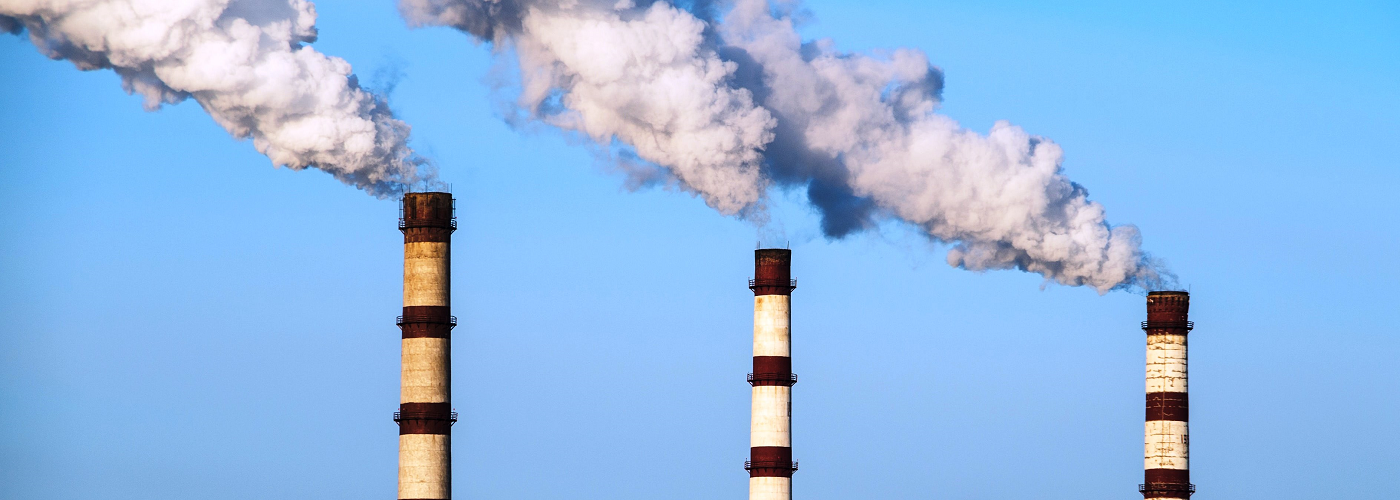
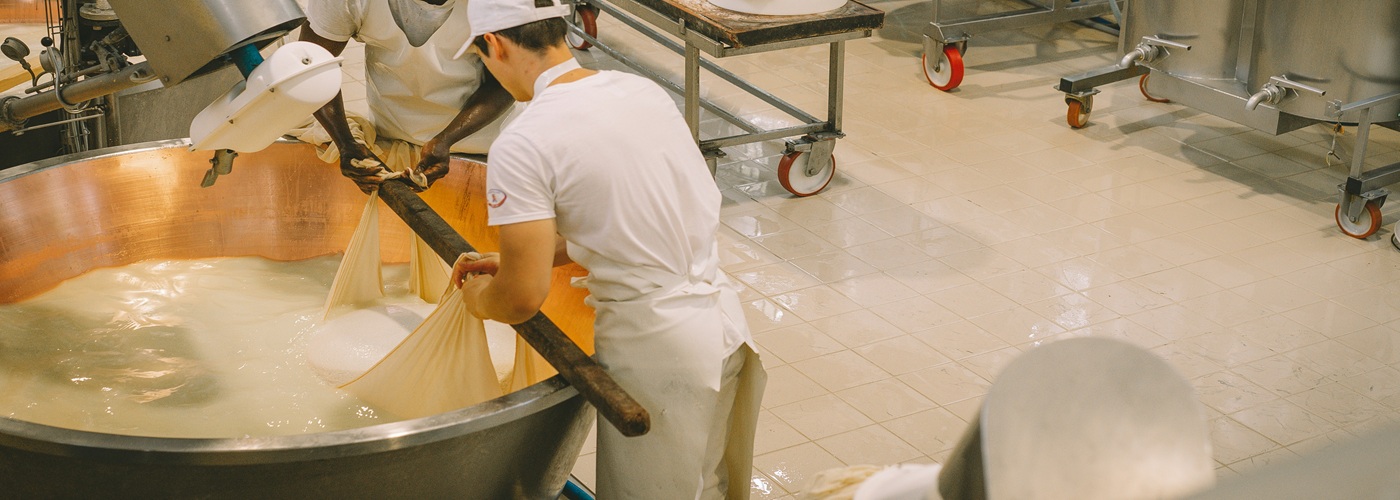
Limiting global warming to 1.5°C will require removing large amounts of carbon dioxide already in the atmosphere, and direct air capture (DAC) has emerged as one promising approach. But DAC remains expensive and energy-intensive. Now researchers at ETH Zurich have developed a new capture material from an unlikely source: waste from dairy and tofu production.
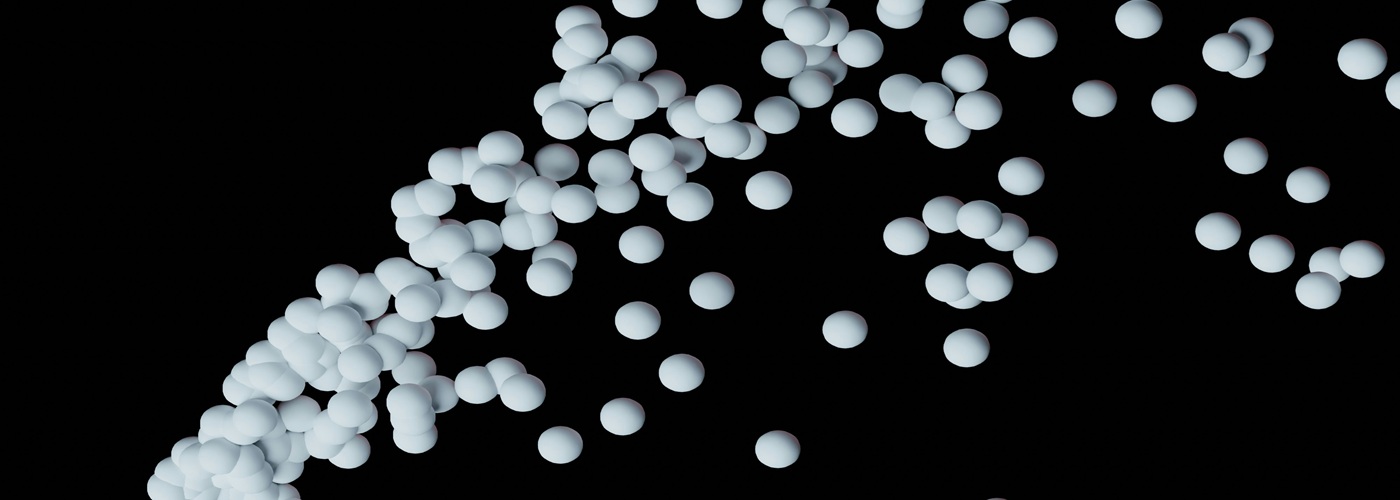
In a study published in PNAS, the team extracted proteins from whey and tofu byproducts and assembled them into amyloid fibrils. Those fibrils were combined with potassium hydroxide and formed into porous beads that act like a sponge for carbon dioxide (CO2). When air passes over the material, the potassium hydroxide reacts with CO2 and locks it into hydrogen carbonate. In tests with ambient air, one gram of the material captured 97 milligrams of CO2, outperforming many conventional DAC systems.
Unlike many current approaches, the ETH method does not require high heat or vacuum conditions to release the captured gas. Instead, the beads are regenerated by alternating sprays of mild acid and base at room temperature. The researchers say the material maintained its performance through 30 capture-and-release cycles, and because the beads are organic and food-grade, they could eventually be reused as fertilizer or converted into biofuel.
A life cycle analysis found that the new process produces less pollution than existing DAC technologies. The team has not yet calculated the exact cost per ton of CO2 captured, but they expect it to be lower than conventional systems because the material is made from widely available waste and uses little energy.
The results are still at laboratory scale, but they point toward a cleaner, cheaper form of carbon removal that could fit into a circular economy that reduces waste.
 Paul Trambley
 Derek Heit
 Jennifer Wojcicki
 Laura Lockwood
 Ray Miller