Meet the Meteorologist
What's your favorite weather phenomena?
What got you interested in the weather?
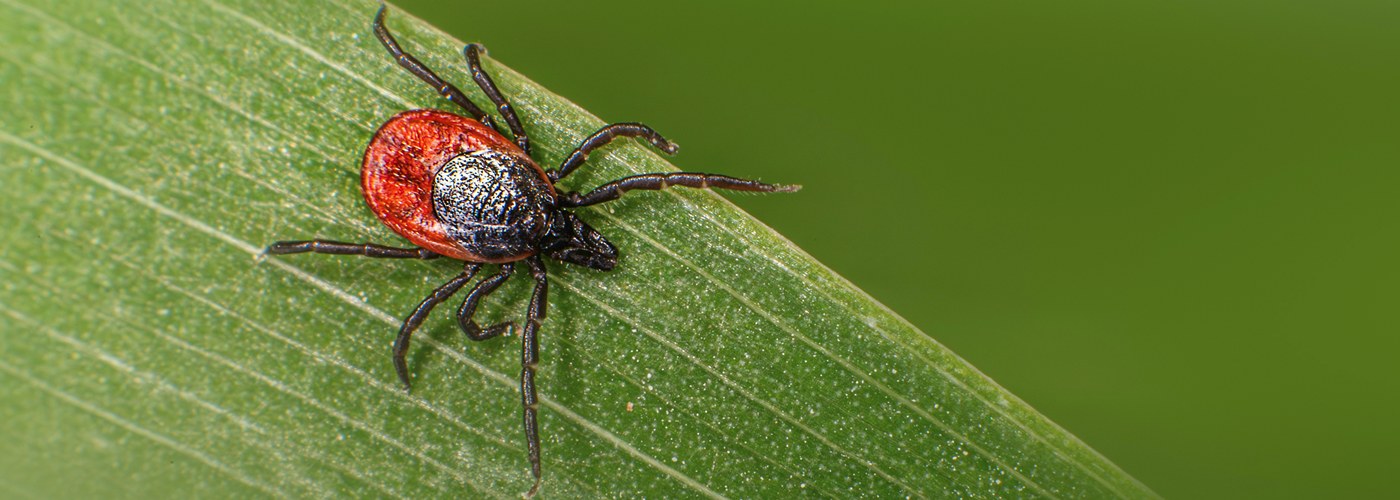

Lyme disease affects nearly 500,000
Americans each year, making it one of the country's most frequently
reported tick-borne illnesses. Caused by the bacterium Borrelia
burgdorferi, the infection is typically transmitted through bites
from infected blacklegged ticks. Although antibiotics can treat the
disease, untreated infections may affect the joints, heart, and
nervous system.
Now, more than 35 years of research by
scientists at the Cary Institute of Ecosystem Studies in New York is
challenging several assumptions about what drives Lyme disease risk.
Published in Proceedings of the National Academy of Sciences,
the study reveals how interactions among ticks, mice, deer, oak
trees, and weather influence tick populations.
One surprising
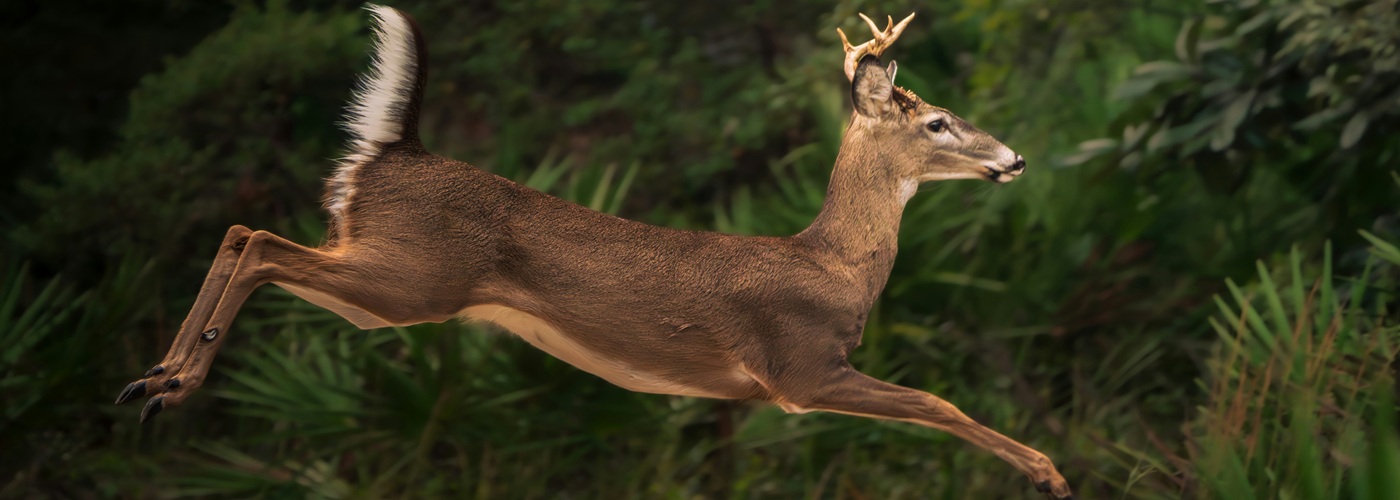
discovery is that deer abundance does not reliably predict the number
of nymphal ticks, which are responsible for much of Lyme disease
transmission to humans. Instead, researchers found that years with
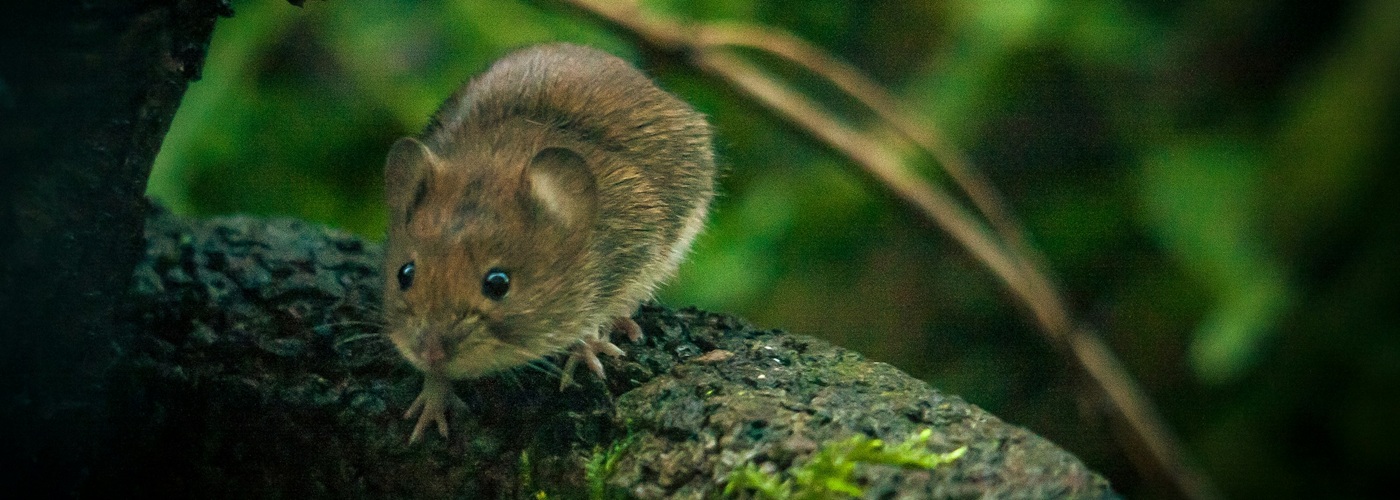
unusually large white-footed mouse populations were followed by
approximately 40% more nymphal ticks the next year. Mice are
particularly important because they efficiently transmit the Lyme
disease bacterium to feeding ticks.
Researchers also
identified an unexpected connection involving acorns. Large
synchronized acorn crops provide abundant food for mice, helping
their populations increase the following year. This can lead to
greater tick abundance approximately two years after an especially
productive acorn season.
However, mouse populations do not
consistently predict what percentage of ticks carry the bacterium.
Other animals, including squirrels, skunks, and opossums, can also
host ticks but are less effective at transmitting the infection.
The
findings demonstrate that Lyme disease risk depends on a complex
network of ecological relationships. Continued long-term monitoring
could help scientists better anticipate periods of increased tick
exposure, particularly as climate change alters forest ecosystems.
 Paul Trambley
 Derek Heit
 Jennifer Wojcicki
 Laura Lockwood
 Ray Miller